
Exploring Armenian-Iranian Heritage: A Cultural and Linguistic Field Study
1 week, from Mar 29, 2026 to Apr 04, 2026
Armenia
Applications for this course are closed, check out upcoming courses.
For inquiries please contact [email protected]
Check Upcoming Persian Language Courses
Persian Language Winter School, from Nov 29, 2026 to Feb 05, 2027 (10 weeks (or 2-9 weeks))
Join us for our 2026-27 Persian Language Winter School, open to international participants. Our program combines intensive language instruction with hands-on learning, personalized tutoring, academic discussions, networking opportunities, delicious cuisine, and exciting travel excursions. The winter session runs from November 29, 2026 to February 05, 2027 (2-10 weeks). You may also choose flexible start dates on December 6, December 13, December 20, December 27, January 3, 2027, January 10 or January 17.
Learn MorePersian Language Summer School, from Jun 20, 2027 to Aug 27, 2027 (10 weeks (or 6-9 weeks))
The Armenian School of Languages and Cultures – ASPIRANTUM is organizing a Persian language summer school in Yerevan, Armenia. The program starts on June 20, June 27, or July 4, and you can stay up to 10 weeks until August 27, 2027. Shorter options of 6, 7, 8, or 9 weeks are also available. We offer beginner, elementary, and intermediate (up to upper-intermediate) level Persian language classes, ensuring that students of different backgrounds can progress effectively. To get more information and apply, please refer to the details below.
Learn MoreDiscover the deep-rooted historical and cultural connections between Armenia and Iran in this immersive field study (March 29 – April 4, 2026). Participants will explore ancient temples, royal mausoleums, and museums that trace centuries of Iranian influence across the region. By combining daily site visits with active Persian language practice, this course offers a unique opportunity to strengthen linguistic skills while engaging directly with the shared heritage of the South Caucasus.
Armenia and Iran share centuries of profound historical interaction, visible in architecture, religion, and language. This field trip offers a unique opportunity to explore these deep connections—from the pre-Zoroastrian period to modern times—while actively practicing the Persian language.
This course moves the classroom to the field. Participants will visit significant sites daily, tracing Iranian influence in Armenia. The program combines historical exploration with immersive language practice, allowing students to expand their vocabulary (specifically regarding history, culture, and religion) and communicate confidently in real-world contexts.
Methodology
To maximize educational value, the course utilizes a three-step daily structure:
Pre-Visit (Bus Session): Instructors provide historical context and review key technical vocabulary.
On-Site Engagement: Interactive guided tours where students apply vocabulary, ask questions, and engage in discussions in Persian.
Reflection: Daily Q&A sessions to reinforce comprehension and language retention.
Itinerary & Highlights
March 27-28: Arrival and Introductory Meeting
Day 1: March 29 – Religious Syncretism & Diversity
Sites: Yezidi Temple (Aknalich), Echmiadzin Cathedral, and the Turkmen Emir’s Tomb.
Focus: Exploring the coexistence of Yezidism, Christianity, and Islam in Armenia. We will examine the Iranian linguistic roots of the Yezidi community and the layers of history at Echmiadzin (built atop a fire temple) and the Kara Koyunlu mausoleum.
Day 2: March 30 – Pre-Christian Roots
Sites: Garni Temple and Geghard Monastery.
Focus: Investigating the synthesis of Hellenistic and Iranian Zoroastrian influences. We will discuss the worship of Mihr (Mithra) at Garni and the sacred landscape of Geghard, which reflects pre-Christian Iranian worldview concepts.
Day 3: March 31 – The Arsacid Legacy & Epic Culture
Sites: Khor Virap Monastery.
Evening Event: Opera “Rostam and Sohrab” by Loris Tjeknavorian.
Focus: Visiting the site of Gregory the Illuminator’s imprisonment to understand the shift from Parthian-Iranian ties to Christianity. In the evening, we experience the Persian epic Shahnameh through the lens of celebrated Armenian-Iranian composer Loris Tjeknavorian.
Day 4: April 1 – Royal Ancestry
Sites: Arsacid Kings Mausoleum in Aghdzk.
Focus: Exploring the burial ground of the Armenian Arsacids (a branch of the Parthian royal house). The site highlights how Iranian concepts of kingship and ancestry were embedded in Armenian political life.
Day 5: April 2 – Language & Identity
Sites: Oshakan Church.
Focus: A visit to the tomb of Mesrop Mashtots, inventor of the Armenian alphabet. We will discuss how the creation of the script preserved cultural sovereignty during a time of competing imperial pressures.
Day 6: April 3 – Imperial History & Cultural Survival
Sites: Yerevan Fortress (remnants), Yerevan History Museum.
Special Event: Screening of Cup of Salvation
Focus: Tracing the Safavid and Qajar administration of Yerevan. The course concludes with a documentary screening on the preservation of Iranian wine heritage and cultural memory in exile.
April 4: Departure.
Price: 1690 USD
Teachers
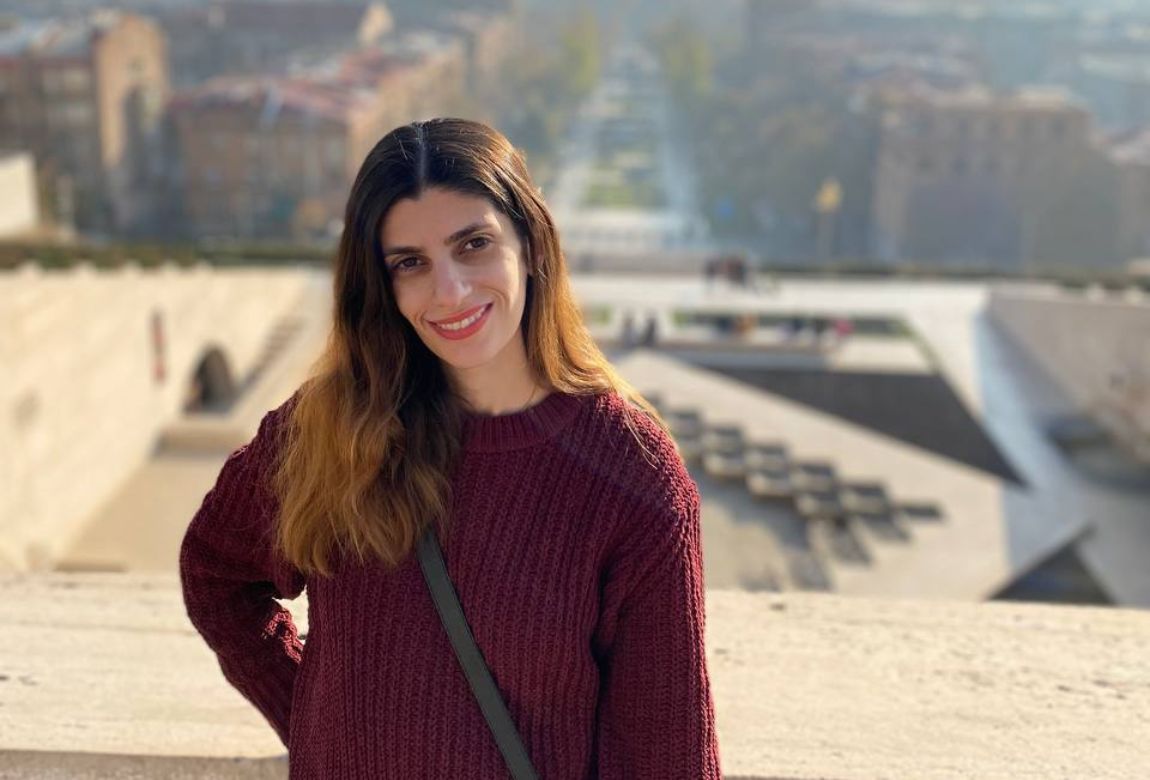
Mahboubeh Jelodar
Instructor of Persian LanguageMahboubeh Jelodar's teaching of Persian intertwines arts and crafts, infusing the language with vivid colors, beauty, and flavor.
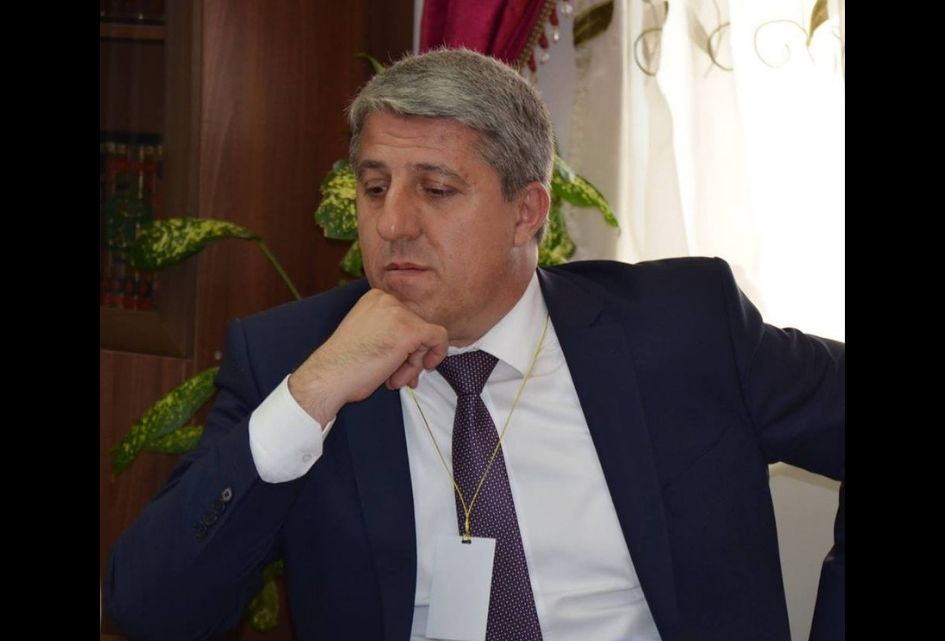
Vardan Voskanian
Instructor of Persian LanguageVardan Voskanian has 28 years of experience teaching Persian to foreign students in an unforgettable manner.
Course Syllabus
Exploring Armenian-Iranian Heritage: A Cultural and Linguistic Field Study in Armenia Syllabus
Armenia and Iran share centuries of historical interaction, from the pre-Zoroastrian period to modern times. Cultural influence is visible on both sides: Iran hosts many Armenian churches, while Armenia preserves strong historical and cultural ties with Iran. This field trip explores these connections through visits to key historical sites, monuments, and museums across Armenia. Students will visit important sites daily, tracing Iranian influence from antiquity to recent periods. The program combines historical exploration with active Persian language practice, helping students improve speaking skills in real contexts. By the end, students will better understand Armenia-Iran relations, expand vocabulary related to history, culture, and religion, and communicate more confidently in Persian through discussions and guided activities.
Learn MoreApplications for this course are closed
For inquiries please contact [email protected]